
Headache and Migraine Relief in Castle Rock, CO
Headaches rarely start in your head. For many patients, the real source is the cervical spine. Tight muscles, restricted joints, and irritated nerves in the neck refer pain directly into the skull, and that connection is exactly what Dr. Dickason looks for at every headache visit.
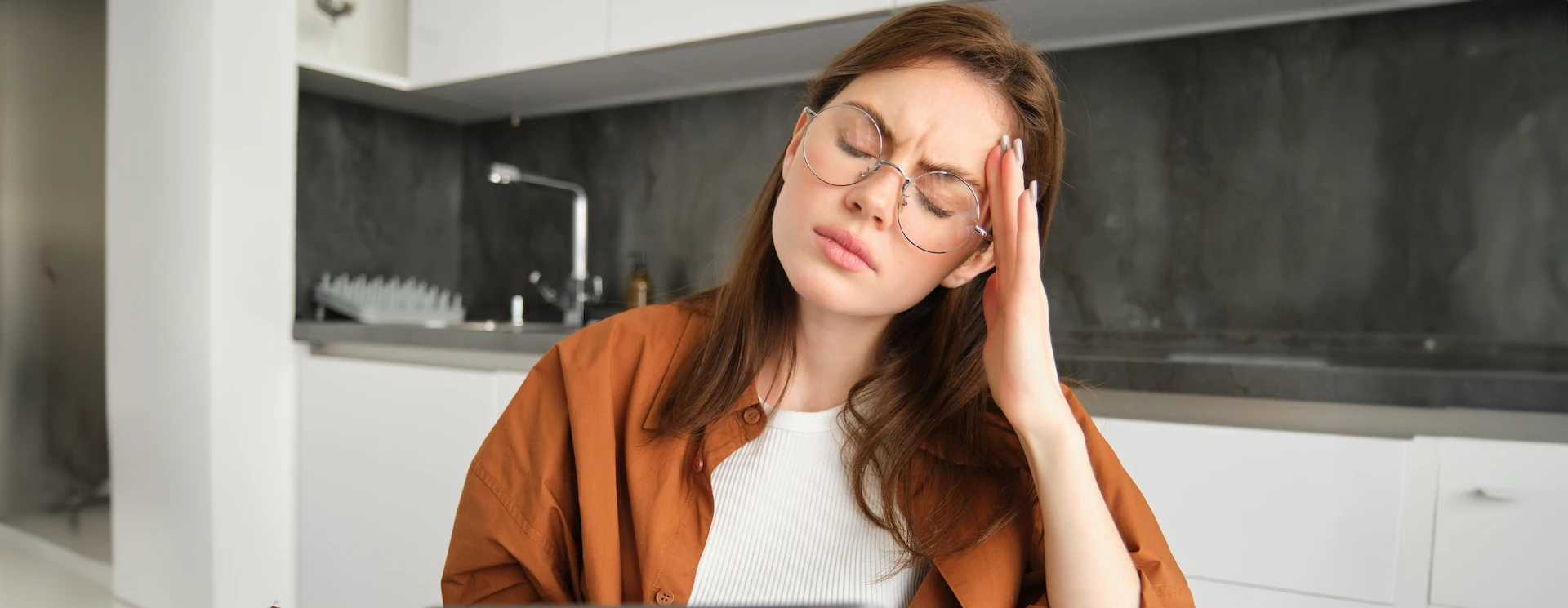

Common Headache Triggers in Castle Rock
Castle Rock’s mix of desk work, mountain driving, and active recreation puts a specific kind of strain on the upper cervical spine. Add altitude-related dehydration and you have a combination that keeps a lot of people reaching for ibuprofen more than they should.
Dr. Dickason looks at occipital tension, suboccipital restriction, and posture patterns tied to how patients actually spend their days, not just a generic cervical exam.
- Prolonged screen time builds occipital tension
- Mountain driving stresses upper cervical joints
- Phone use creates asymmetrical neck strain
- High altitude dehydration triggers vascular headaches
- Desk slouching compresses suboccipital nerves
Understanding Your Headache Pattern
Not all headaches respond to the same care, and identifying the pattern matters. Tension headaches feel like a band of pressure around the head. Cervicogenic headaches track with neck movement and are often one-sided. Migraines involve throbbing pain and sensitivity to light or sound that goes well beyond muscle tension.
Dr. Dickason uses orthopedic and functional testing to identify which type is driving your pattern, because treating a cervicogenic headache the same way you treat a migraine simply does not work.
Key Headache Patterns to Recognize
- Tension-like bands of pressure around the temples and forehead
- Occipital headaches that worsen with neck extension
- One-sided pain that matches restriction on the same side of the neck
Care Compatible with Castle Rock Lifestyles
Active people need headache solutions that hold up at work and on the trail. Dr. Dickason builds care plans around how Castle Rock patients actually live, addressing the desk posture, driving habits, and recreational demands that feed the pattern in the first place.
Whether you are managing screen-heavy workdays, staying active on local trails, or just trying to get through the week without a tension headache building by afternoon, the goal is the same. Less frequent headaches, less reliance on medication, and a cervical spine that can handle what you ask of it.
Remote workers eliminate dual monitor headache patterns
Trail runners reduce dehydration headache triggers
Golfers address rotational cervical strain
Commuters relieve highway tension headaches
Seniors maintain vascular flow without medication
Headache Frequently Asked Questions
Why do headaches start at the base of my skull?
The suboccipital muscles and upper cervical joints sit right where the spine meets the skull. When those structures are tight or restricted, they refer pain upward through the occipital nerves into the back and sides of the head. It is one of the most common patterns Dr. Dickason sees, and one of the most responsive to cervical care.
Can desk posture really cause migraines?
Yes. Forward head posture from prolonged screen time puts chronic stress on the upper cervical joints and surrounding nerves. For people who are already prone to migraines, that kind of persistent irritation can lower the threshold for an episode. Correcting the postural pattern does not eliminate migraines entirely, but it often reduces frequency.
Will I need medication with chiropractic care?
Many patients find they rely on acute medications less frequently once the underlying cervical pattern is addressed. Dr. Dickason works alongside your prescribing physician rather than replacing that relationship.
How does hydration affect headaches at altitude?
Dehydration is a well-established headache trigger, and Castle Rock’s elevation makes it easier to get behind on fluid intake without realizing it. Staying consistently hydrated supports the vascular side of headache prevention while chiropractic care addresses the structural side.
Can stress triggered headaches improve with spinal care?
Stress drives muscle tension, and the upper cervical region is where a lot of people carry that tension without knowing it. When those muscles are chronically guarded, they create the same cervical irritation patterns as postural or mechanical causes. Addressing that tension through upper cervical care gives the body one less trigger to manage.