Sciatica Treatment in Castle Rock, CO

Sciatica treatment at Castle Rock Chiropractic relieves irritation along the sciatic nerve pathway. Dr. Clint Dickason identifies lumbar disc, joint, and muscle patterns compressing the nerve affecting Castle Rock residents. Conservative care restores nerve space and mobility supporting pain free walking and daily function.
A doctor in a white lab coat assesses an older woman who is bent over, holding her lower back in pain, likely due to sciatica.
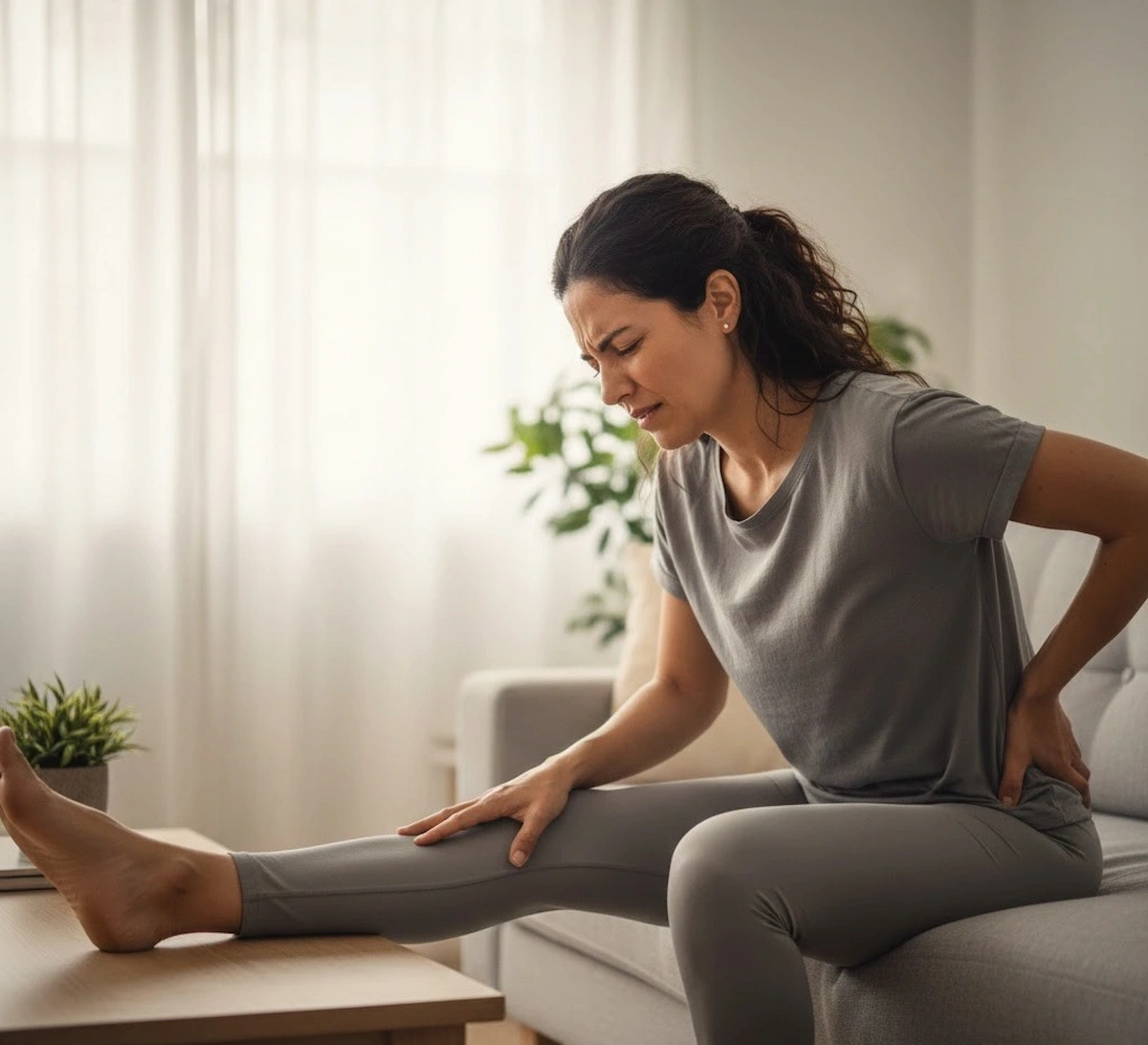
Woman experiencing sciatica pain, holding her lower back while stretching her leg on a sofa
A doctor in a white lab coat assesses an older woman who is bent over, holding her lower back in pain, likely due to sciatica.
Woman experiencing sciatica pain, holding her lower back while stretching her leg on a sofa

Causes of Sciatica in Castle Rock

The sciatic nerve is the longest nerve in your body, and it can get compressed in more than one place. The most common source is the lower back, where a restricted joint or disc pressing on a nerve root sends pain signals all the way down the leg. The piriformis muscle deep in the glute can also clamp down on the nerve, which is a completely different problem that requires a different approach.

Castle Rock’s lifestyle adds some specific contributors. Long stretches of sitting at a desk loads the lower spine. Downhill hiking on local trails puts repetitive stress on the piriformis and sacroiliac joints. Winter shoveling puts sudden twisting forces through the lower back at the worst possible time.

Recognizing Sciatica Symptom Patterns

True sciatica follows clear, predictable pathways that set it apart from hip or simple muscle pain. Pain typically radiates below the knee along specific nerve distributions rather than stopping at joints. Dr. Dickason confirms the diagnosis using tension tests and thorough neurological evaluation. Symptom changes during position shifts offer important diagnostic clues. Sitting often worsens disc-related sciatica, while standing may ease joint-related patterns. Identifying the exact pattern allows for targeted mobilization and decompression strategies that provide real relief.

Key Sciatica Symptom Patterns

Treatment for Castle Rock Active Lifestyles

Mountain community demands require sciatica solutions maintaining hiking capacity and work tolerance. Castle Rock Chiropractic combines lumbar decompression , adjustments, and hip mobilization for comprehensive nerve relief. Dr. Dickason creates protocols matching local physical requirements.
Trail runners restore lumbar stability for confident strides. Professionals eliminate sitting tolerance limitations. Golfers decompress rotational nerve pathways. Parents squat without buttock referral. Medicare patients access gentle sciatica protocols locally.

Hikers free nerve pathway for downhill confidence

Golfers mobilize rotational lumbar restrictions

Construction workers protect lumbar nerve roots

Remote workers offset prolonged sitting compression

Cyclists relieve hamstring sciatic irritation

Sciatica Frequently Asked Questions

How does a chiropractor identify sciatica sources?

Orthopedic tests, neurological screening, and movement analysis confirm lumbar versus piriformis contributions. Dr. Dickason explains findings clearly.

Will I need to avoid bending or lifting?

Dr. Dickason teaches proper body mechanics protecting healing nerves while maintaining daily function. Complete activity restriction is rarely needed.

Can sciatica affect both legs?

Bilateral symptoms suggest central stenosis or symmetrical disc involvement. Evaluation determines appropriate care approach.

Why does sitting make sciatica worse?

Flexion position narrows foraminal spaces compressing exiting nerve roots. Treatment creates posterior joint space.

How long until walking improves?

Most patients notice gait improvement after initial inflammation subsides. Dr. Dickason monitors functional progress regularly.