
Heat or Ice: Which One Actually Helps Back and Neck Pain?
When your back or neck flares up, one of the first questions people ask is whether to reach for a heating pad or an ice pack. It’s a genuinely useful question, because using the wrong one at the wrong time can actually make things feel worse. The short version is
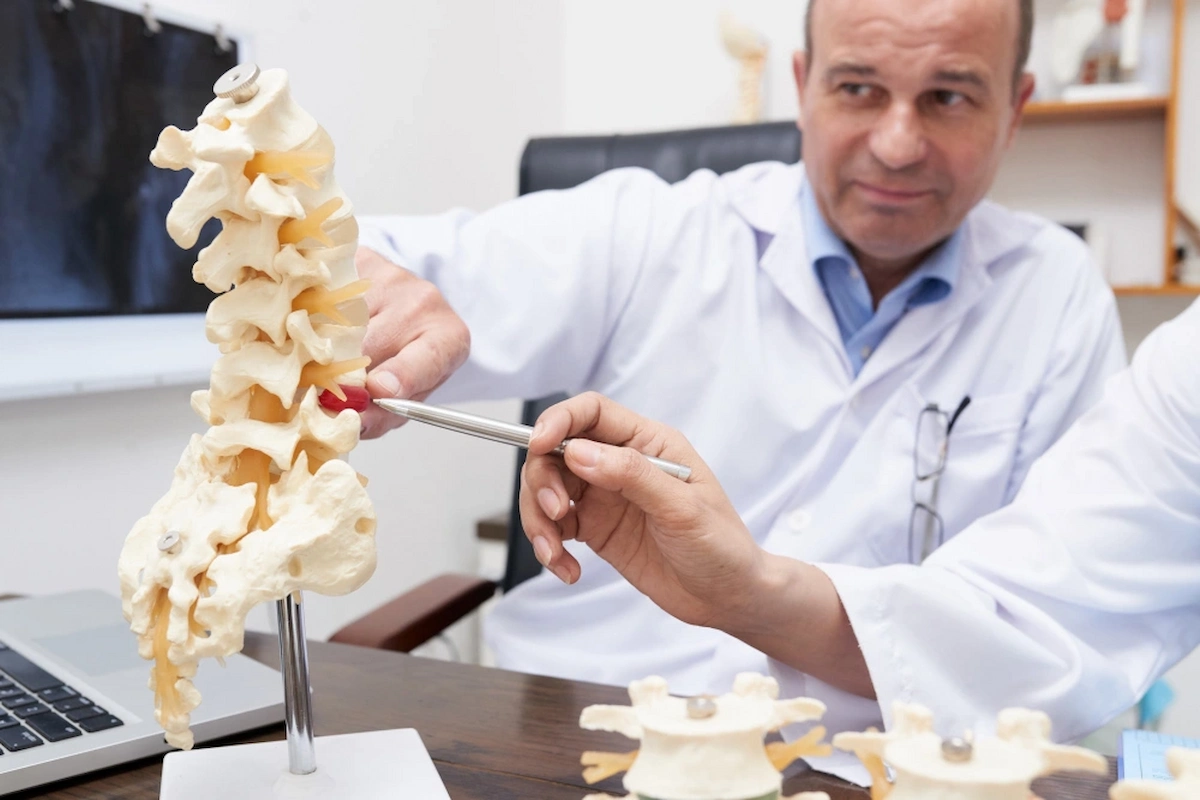
Bulging Disc vs. Herniated Disc: What’s the Difference?
If a doctor has told you that you have a bulging disc or a herniated disc, you’ve probably wondered what the actual difference is and whether one is worse than the other. The two terms get used loosely, sometimes interchangeably, which adds to the confusion. They’re related but genuinely different

The Right Way to Lift Heavy Things Without Hurting Your Back
Few things cause a sudden back injury faster than lifting something heavy the wrong way. One bad lift – a box, a piece of furniture, a bag of mulch, a child – and you can go from feeling fine to barely able to straighten up. The reassuring part is that

Why Does Your Back Crack? What That Popping Sound Really Means
Almost everyone has cracked their back, their neck, or their knuckles and wondered what that popping sound actually is. And anyone who’s been nervous about getting a chiropractic adjustment has probably focused on that sound specifically. The good news is that the noise is far less mysterious – and far

Chiropractor, Physical Therapist, or Massage: Who Do You Need?
When your back or neck hurts, figuring out who to see can be genuinely confusing. Chiropractor, physical therapist, massage therapist – they all deal with the body, they sometimes overlap, and it’s not always obvious which one fits your situation. The honest truth is that each does something different, each

Why Chiropractic Didn’t Work for You Last Time
If chiropractic didn’t help you before, or helped for a while and then stopped, the cause is often something specific about how that care was approached, not chiropractic itself. The most common reasons are that the real source of the pain was never found, care stopped as soon as the
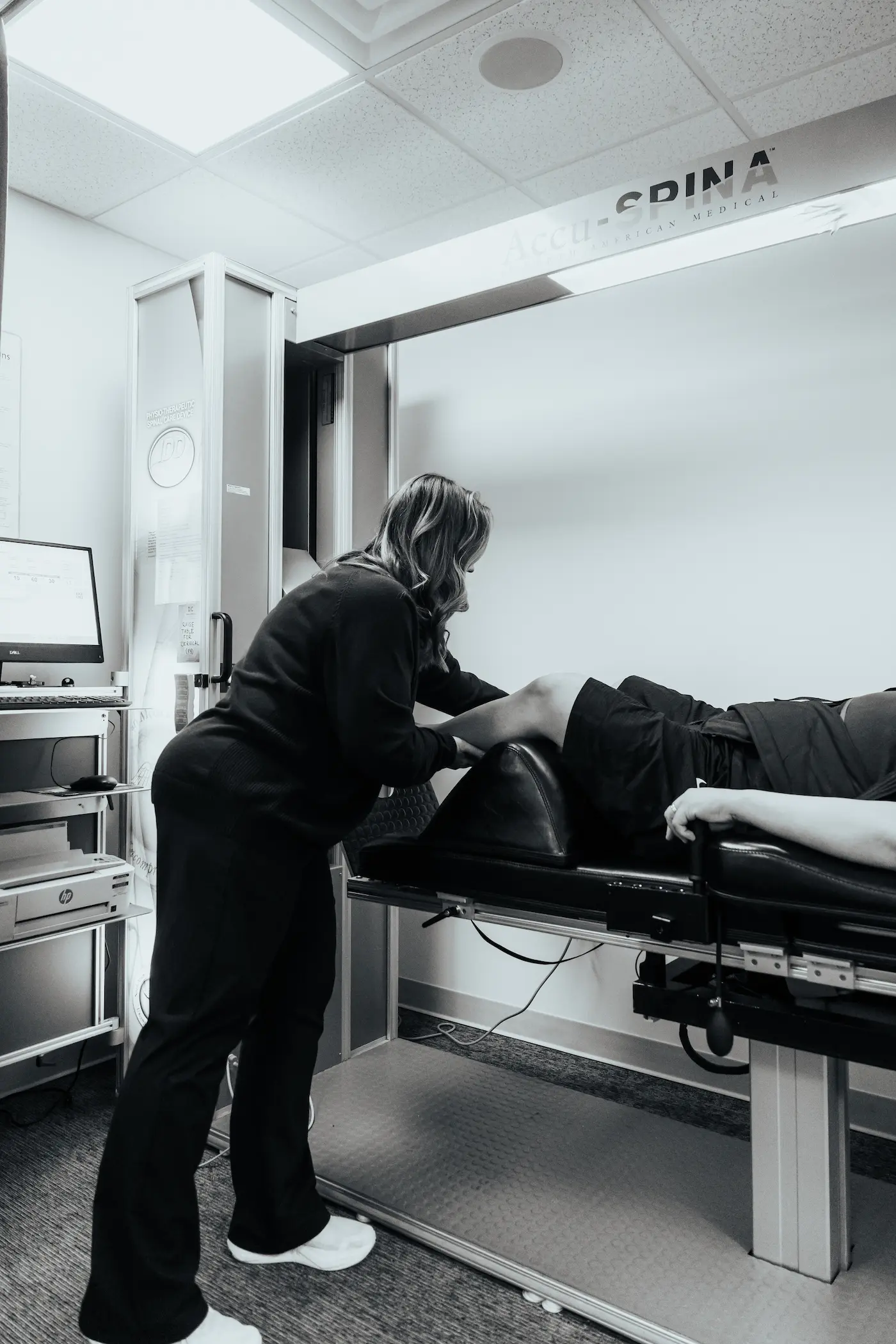
Are You a Good Candidate for Cox Flexion-Distraction?
Cox Flexion-Distraction is a gentle, hands-on chiropractic technique that patients often specifically seek out for disc and back problems. But like any treatment, it’s better suited to some situations than others. If you’re wondering whether it’s the right approach for you, this walks through who tends to benefit most, who

Cold Laser vs. Ice, Meds, and Rest: What’s the Difference?
Ice, over-the-counter medication, and rest mainly manage pain and swelling while your body heals on its own timeline. Cold laser therapy works differently: it uses low-level light to support the healing process at the cellular level, which is why it’s often added to, not swapped for, those everyday tools. Here’s

How RightEye Testing Detects Concussion After a Crash
One of the hardest things about concussion has always been that it’s difficult to measure objectively. Unlike a broken bone that shows on an X-ray, a concussion typically doesn’t appear on standard imaging, which has historically left assessment relying heavily on symptom reports. RightEye sensorimotor testing changes that by giving
Can a Low-Speed Fender Bender Really Cause Whiplash?
It’s one of the most common assumptions after a minor collision: the crash was slow, the car barely has a scratch, so there’s no way anyone got hurt. Unfortunately, that assumption is often wrong. Low-speed collisions, even fender benders under 10 miles per hour, can and do cause whiplash injuries.

Car Accident Injury Claims: How Chiropractic Documentation Helps
After a car accident, the injury itself is only part of what you’re dealing with. There’s also the insurance side, and how your care is documented can make a significant difference to how that process goes. Thorough medical documentation from the start protects both your health and your claim. Here’s
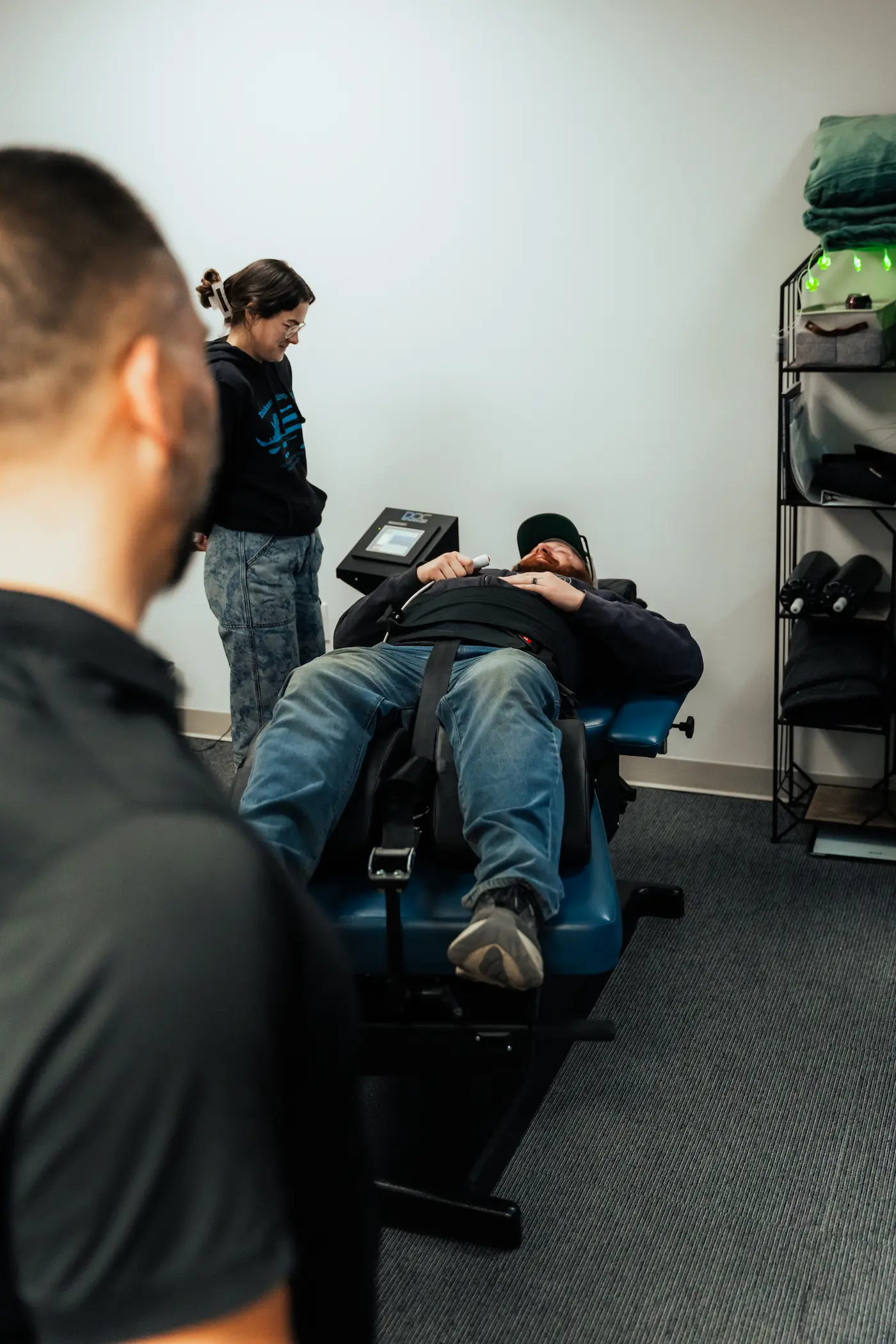
What Does Spinal Decompression Feel Like? A Session Guide
If your chiropractor has recommended spinal decompression and you’re picturing something intense or uncomfortable, you can relax. For most people, a decompression session is gentle, relaxing, and completely painless, with many patients finding it so comfortable they nearly fall asleep. Knowing exactly what to expect takes the mystery out of