Table of Contents
When you’re dealing with pain and inflammation, the usual go-to options are ice, over-the-counter medication, and rest. Cold laser therapy is a different kind of tool, and understanding how it compares helps explain why it’s used for certain situations. The short version is that ice, meds, and rest mostly manage symptoms, while cold laser works to actively support the healing process itself. Here’s the fuller comparison.
What Each Approach Is Actually Doing
The key to understanding the difference is recognizing that these approaches work through very different mechanisms. Some manage symptoms while healing happens on its own timeline, while cold laser aims to support and stimulate the healing process directly.
Ice
Ice, or cold therapy, works by constricting blood vessels, reducing blood flow to an area to limit swelling and inflammation, while numbing pain by slowing nerve conduction. It’s genuinely useful for fresh, acute injuries where controlling initial inflammation is the goal. But ice is fundamentally a symptom-management tool. It reduces swelling and dulls pain temporarily, but it doesn’t actively drive tissue healing. Once you stop applying it, its effects fade.
Over-the-Counter Medication
Pain relievers and anti-inflammatory medications work chemically to reduce pain signals and, in the case of anti-inflammatories, to reduce inflammation throughout the body. They can be effective for managing discomfort. But like ice, medication primarily manages symptoms rather than healing the underlying injury. It also works systemically, affecting your whole body, and carries potential side effects with regular use. It makes you more comfortable while your body heals, but it isn’t accelerating that healing.
Rest
Rest allows your body to heal by removing the stress and load that could aggravate an injury. It’s a genuinely important part of recovery for many injuries. But rest is passive, it creates conditions for healing without actively promoting it. And too much rest can actually work against recovery in some cases, leading to stiffness, deconditioning, and reduced circulation. Rest gives your body space to heal on its own timeline, but it doesn’t speed that timeline up.
Cold Laser Therapy
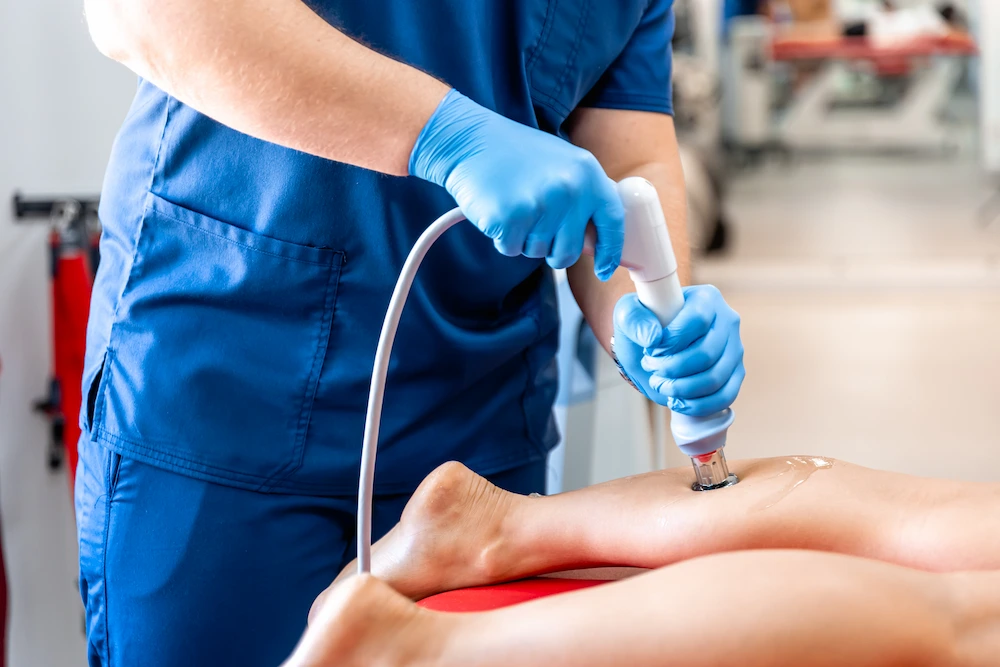
Cold laser is fundamentally different from the others. Rather than managing symptoms or passively allowing healing, it works at the cellular level to actively support the healing process. The light energy is absorbed by the cells, particularly the mitochondria, boosting cellular energy production. That increased energy helps cells repair and regenerate more efficiently, reduces inflammation, and supports circulation. In other words, cold laser aims to help your body heal faster rather than just feel better temporarily.
The Core Distinction: Managing vs. Supporting Healing
If there’s one thing to take away from this comparison, it’s the distinction between managing symptoms and supporting healing. Ice, medication, and rest all primarily fall into the symptom-management category, they make you more comfortable and create favorable conditions while your body heals on its own. There’s nothing wrong with that, and these are valuable, appropriate tools in the right situations.
Cold laser occupies a different category. Its goal is to actively stimulate and support the healing process at the cellular level. This is why it’s used not as a replacement for the others, but as something that adds an active healing-support dimension that the others don’t provide.
Why It’s Not an Either-Or Choice
Here’s the practical reality: these approaches aren’t competitors, and the best recovery often uses several of them together. They address different aspects of an injury.
Consider recovery from an accident injury. Ice might help control the initial inflammation in the acute phase. Rest from aggravating activities gives the tissue space to recover. And cold laser therapy actively supports the healing of the injured tissue at the cellular level. Each is doing something the others aren’t. Combining them thoughtfully addresses the injury from multiple angles.
This is exactly how cold laser is used at Castle Rock Chiropractic, as part of a complete approach rather than in isolation. It complements the other tools rather than replacing them.
Where Cold Laser Fits Best
Cold laser is particularly valuable in situations where actively supporting tissue healing makes a difference. This includes recovery from auto accident injuries, where soft tissue damage and inflammation need support to heal. It includes disc injuries, where reducing inflammation around an irritated area supports the broader treatment. And it includes soft tissue injuries and inflammation generally, where the healing-support effect helps recovery move along.
What cold laser adds in these situations is an active contribution to healing that ice, meds, and rest don’t provide. For injuries where you want to support recovery rather than just wait it out, that’s a meaningful addition.
What None of Them Fix on Their Own
There’s an important limitation that applies to all of these approaches, including cold laser: none of them correct an underlying mechanical problem. If your pain is being driven by a joint restriction, disc compression, or spinal misalignment, then ice, medication, rest, and even cold laser will all fall short on their own, because none of them addresses the structural cause.
This is why, at Castle Rock Chiropractic, cold laser and other supportive therapies are combined with the chiropractic care that addresses the mechanical root of the problem. The supportive therapies help the tissues heal, while the structural care corrects what’s actually driving the pain. Together, they address both the symptom and the source.
The Bottom Line
Ice, medication, and rest are useful tools that primarily manage symptoms and create conditions for healing. Cold laser is different, it actively supports the healing process at the cellular level. They’re not competitors but complements, and the best recovery often uses several together, alongside care that addresses any underlying mechanical cause.
If you’re recovering from an injury and want to understand how cold laser and other approaches might fit into an effective recovery plan, reach out to Castle Rock Chiropractic at 303-688-2300 or schedule a consultation. Dr. Dickason will assess your situation and explain which combination of approaches makes the most sense for what you’re dealing with.
About Dr. Clint Dickason, DC
Dr. Clint Dickason founded Castle Rock Chiropractic to serve his local community with personalized, natural wellness care. An Indiana native and Palmer College of Chiropractic graduate, he brings advanced training in clinical neurology and upper cervical techniques to Colorado families.
With athletic background in wrestling, football, and rugby, Dr. Dickason understands active lifestyle demands. He combines 20+ chiropractic techniques with Blood Flow Restriction therapy certification to address Castle Rock’s unique hiking, work, and family challenges.