Table of Contents
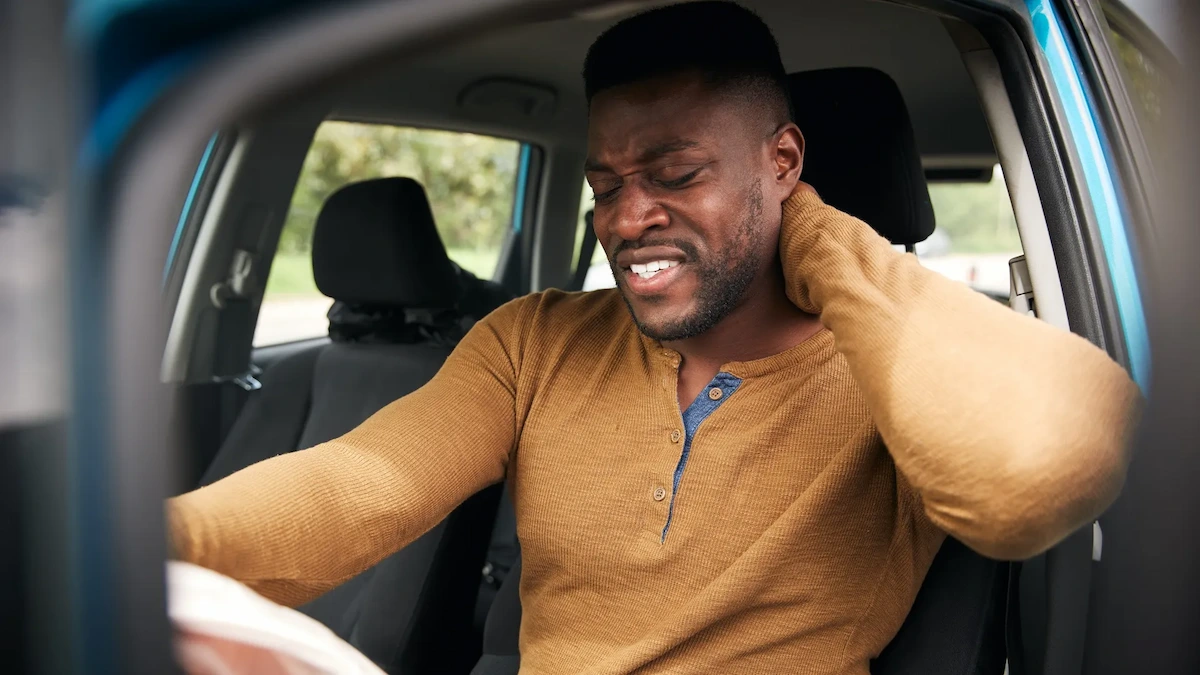
After a car accident, the injury itself is only part of what you’re dealing with. There’s also the insurance side, and how your care is documented can make a significant difference to how that process goes. Thorough medical documentation from the start protects both your health and your claim. Here’s how chiropractic care fits into the insurance and documentation side of a car accident, and why it matters more than most people realize.
Why Documentation Matters So Much
When you’re injured in a collision, any insurance claim, whether it’s your own coverage or the other party’s, depends on documented evidence that you were injured, how severely, and what care those injuries required. Without proper documentation, even legitimate injuries can be difficult to substantiate, which can complicate your claim.
This is where careful, professional documentation becomes valuable. A thorough record that begins soon after the accident and continues through your care creates a clear, credible account of your injuries and recovery. That record supports your claim and helps ensure the care you needed is properly accounted for.
Just as importantly, prompt documentation addresses one of the biggest challenges in accident claims: the delayed onset of symptoms. Many accident injuries, particularly whiplash and soft tissue injuries, don’t fully present until 24 to 72 hours after the crash. When there’s a gap between the accident and seeking care, it can create the impression that the injuries weren’t serious or weren’t related to the accident. Early evaluation and documentation closes that gap.
What Thorough Accident Documentation Includes
Proper documentation of accident injuries is more detailed than a routine visit. At Castle Rock Chiropractic, accident-related care includes comprehensive documentation designed to accurately capture your injuries and connect them to the collision. This typically involves:
- A detailed history of the accident and how the injuries occurred
- A thorough physical examination documenting your injuries, range of motion, and functional limitations
- Orthopedic and neurological findings relevant to accident injuries
- Objective testing where appropriate, including sensorimotor assessment for concussion-related concerns
- A clear record of your treatment plan and your progress through recovery
- Documentation connecting your injuries to the mechanism of the accident
This kind of thorough record does two things at once: it guides effective treatment, and it provides the substantiation your claim needs.
Understanding PIP and MedPay Coverage
Two types of coverage frequently come into play after a car accident, and understanding them helps you navigate the process.
PIP (Personal Injury Protection) is coverage that pays for medical expenses resulting from a car accident, regardless of who was at fault. Not all policies include it, and its availability depends on your specific coverage.
MedPay (Medical Payments coverage) is similar, helping cover medical costs from an accident regardless of fault, and can sometimes be used alongside other coverage.
Both of these can apply to chiropractic care for accident injuries, which means your treatment may be covered through these avenues. The specifics depend entirely on your individual policy, which is why verifying your benefits before treatment begins is such an important step.
How Castle Rock Chiropractic Handles the Insurance Side
Navigating insurance after an accident is stressful when you’re also dealing with injuries, so Castle Rock Chiropractic handles the documentation and billing process to take that burden off you. The team verifies your benefits before treatment begins, so you understand your coverage upfront without surprises.
The practice manages the documentation that insurance claims require, coordinates with attorneys when a patient is working with legal representation, and handles the billing through the appropriate coverage, whether that’s PIP, MedPay, or other applicable insurance. This means you can focus on recovering while the administrative side is handled professionally.
Importantly, no referral is required to begin accident care. You can come in directly after an accident, get evaluated, and start both treatment and proper documentation right away.
Why Early Care Protects Both Your Health and Your Claim
The single most valuable thing you can do after an accident, from both a health and a documentation standpoint, is to get evaluated early. This serves two purposes simultaneously.
From a health perspective, early evaluation catches injuries while they’re most treatable, before delayed symptoms have a chance to worsen or before compensation patterns set in. Whiplash and soft tissue injuries addressed promptly tend to resolve better than those left unaddressed for weeks.
From a documentation perspective, prompt care establishes the connection between the accident and your injuries clearly, avoiding the gap that can undermine a claim. It creates a contemporaneous record, meaning documentation created at the time, which carries more weight than injuries reported long after the fact.
Waiting to see if you feel better on your own is understandable, but it can work against you on both fronts. Even if you feel relatively okay, an evaluation is worthwhile precisely because of how accident injuries tend to unfold over the following days.
What About Feeling Fine After the Accident?
This is worth addressing directly because it’s so common. Many people walk away from a collision feeling okay, thanks to the adrenaline and shock that mask symptoms in the immediate aftermath. They assume that feeling fine means they weren’t hurt.
But as that adrenaline fades over the following hours and days, injuries frequently surface. By then, the person may have already decided the accident was minor and not sought care, missing both the treatment window and the early documentation window. This is exactly why the recommendation after any accident, even one that seemed minor, is to get evaluated promptly rather than waiting to see how you feel. You can learn more about the practice’s full approach on the auto accident care page.
Getting Started After an Accident
If you’ve been in a car accident, getting evaluated promptly protects both your recovery and your ability to substantiate a claim. Thorough documentation from the start, professional handling of the insurance side, and early treatment of your injuries all work together to support the best possible outcome on both fronts.
To get started after an accident, reach out to Castle Rock Chiropractic at 303-688-2300 or schedule an evaluation. The team will verify your benefits, handle the documentation, and make sure your injuries are properly assessed and recorded from day one.
About Dr. Clint Dickason, DC
Dr. Clint Dickason founded Castle Rock Chiropractic to serve his local community with personalized, natural wellness care. An Indiana native and Palmer College of Chiropractic graduate, he brings advanced training in clinical neurology and upper cervical techniques to Colorado families.
With athletic background in wrestling, football, and rugby, Dr. Dickason understands active lifestyle demands. He combines 20+ chiropractic techniques with Blood Flow Restriction therapy certification to address Castle Rock’s unique hiking, work, and family challenges.