
Table of Contents
Blood Flow Restriction therapy – often called BFR – is one of the more surprising tools available at Castle Rock Chiropractic. Most people associate chiropractic care with adjustments and spinal work, so when they hear that Dr. Dickason is certified in a rehabilitation technique that helps patients rebuild strength during recovery, it catches their attention. For the right patient, BFR fills a gap that traditional chiropractic and rest alone can’t address.
What Is Blood Flow Restriction Therapy?
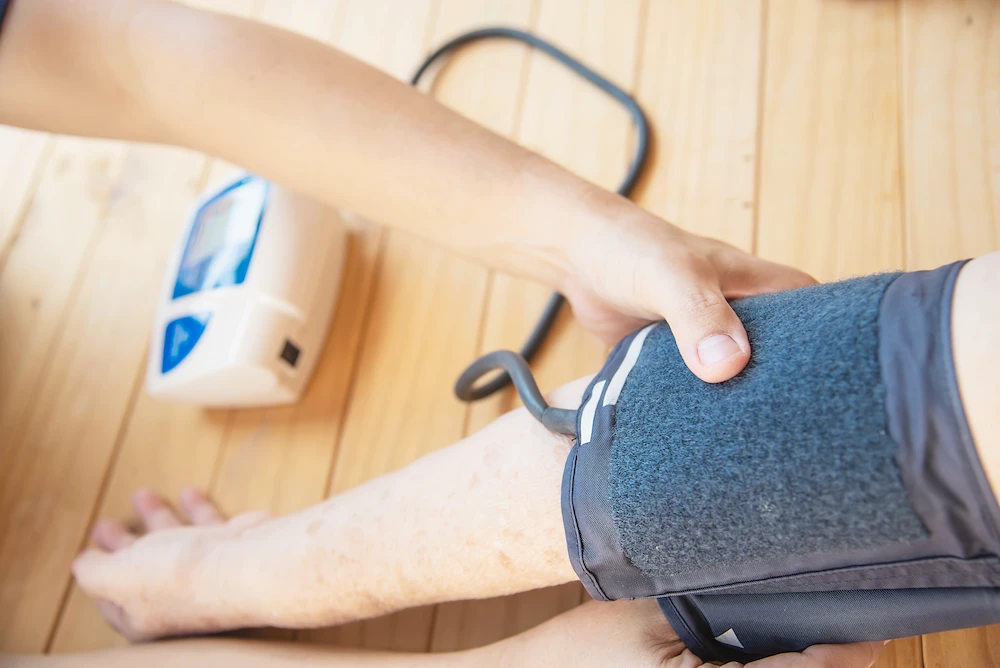
Blood Flow Restriction therapy uses specialized cuffs – at Castle Rock Chiropractic we use B3 bands – applied to the upper arm or upper thigh to partially restrict venous blood flow (the blood returning from the muscle back to the heart) while keeping arterial flow (the blood going into the muscle) intact. You then perform low-load exercise – typically at 20 to 30 percent of your maximum effort – while wearing the bands.
The result is that the muscle experiences a metabolic environment similar to high-intensity training, even though the actual load being used is very light. The muscle is working hard internally while the external stress on joints, tendons, and healing tissues stays low.
That distinction is the entire point. Recovery from injury, surgery, or chronic pain often requires a frustrating period where the tissue needs to heal but the patient also needs to maintain or rebuild muscle. Traditional strength training loads are often too heavy during that window. BFR bridges the gap.
The Science Behind Why It Works
When blood pools in the muscle during BFR exercise, several things happen that drive adaptation. Metabolic stress builds quickly, which triggers a significant hormonal response – including growth hormone release – that supports muscle protein synthesis. The muscle fibers recruited during BFR include fast-twitch fibers normally reserved for heavy lifting, which accelerates strength gains at a fraction of the typical load.
Research on BFR has grown substantially over the past decade. It’s been studied and used in military rehabilitation, professional sports recovery, post-surgical rehab, and with older adults who can’t tolerate conventional resistance training loads. Dr. Dickason’s B3 band certification reflects both the training required to apply the technique safely and a genuine belief in the evidence behind it.
Who Benefits Most From BFR at Castle Rock Chiropractic
Patients Recovering From Injury
Whether it’s a lumbar strain, a shoulder problem, a knee injury, or recovery from a car accident, the period right after an acute injury is typically when muscle loss happens fastest. Rest is necessary, but muscle atrophy sets in quickly – especially in older adults. BFR allows patients to maintain and begin rebuilding muscle during the recovery window when heavier loading would re-injure healing tissue.
Post-Surgical Rehab Patients
Patients recovering from orthopedic procedures – including spinal surgeries, joint replacements, and soft tissue repairs – often face a long period of restricted activity. BFR can accelerate the early stages of strength recovery without stressing the surgical site, helping patients get back to activity faster and with better baseline strength than rest alone allows.
Active Adults Managing Chronic Pain
Castle Rock’s active population – hikers, cyclists, skiers, trail runners – sometimes deals with chronic pain that limits their ability to train at full intensity. A runner with chronic knee pain, a cyclist with a persistent hip problem, a hiker dealing with lower back pain – these patients can often use BFR to maintain conditioning in the affected areas while the underlying problem is being addressed through chiropractic care.
Older Adults and Medicare Patients
Muscle loss with age – sarcopenia – is one of the biggest contributors to falls, functional decline, and loss of independence in older adults. Conventional strength training is ideal but not always tolerable for patients with joint pain, osteoporosis concerns, or limited capacity. BFR provides a safe, low-impact way to stimulate meaningful muscle adaptation with loads that older patients can manage comfortably.
Athletes During In-Season Maintenance
Competitive and recreational athletes sometimes need to maintain strength while managing a nagging injury during a season they don’t want to stop. BFR allows them to keep training the affected area at a level that doesn’t aggravate the injury, preserving strength and function while the problem is being addressed.
What a BFR Session Looks Like
Sessions are straightforward. B3 bands are applied to the appropriate limb – upper arm for shoulder and elbow work, upper thigh for lower body. The bands are inflated to a specific pressure based on your limb circumference and the target restriction level.
You then perform a series of low-load exercises – typically three to four sets with short rest periods between them. The exercises are simple: basic movements like leg presses, knee extensions, bicep curls, or shoulder raises, depending on what’s being targeted. The weight used is light enough that the movement itself isn’t demanding – but within a set or two, the metabolic fatigue builds significantly and the muscles are working hard.
Sessions generally take 15 to 20 minutes of active exercise time. Most patients find it manageable, though the burn from metabolic fatigue surprises people who aren’t used to it. Dr. Dickason provides instructional guidance on the exercises, and videos are available for patients who want to continue the approach at home between visits.
How BFR Fits Into a Chiropractic Care Plan
BFR isn’t a standalone treatment at Castle Rock Chiropractic – it’s integrated into a broader plan that addresses the structural source of the problem alongside the muscular rehabilitation component.
For a patient dealing with disc-related back pain, the combination might look like spinal adjustments and decompression therapy to address the disc and nerve involvement, combined with BFR for the lumbar and hip stabilizers that have weakened as a result of guarding and reduced activity. Both sides of the problem are addressed simultaneously rather than sequentially.
For a post-accident patient in car accident recovery, BFR may be introduced once the acute inflammatory phase has passed, helping rebuild strength in the cervical and upper thoracic stabilizers that were strained in the collision. Learn more about Dr. Dickason’s approach to auto accident care and how it fits into the full recovery picture.
Questions Patients Ask About BFR
Is it safe?
Yes, when applied correctly by a certified provider. The key is proper band placement, appropriate pressure levels, and appropriate exercise selection for each patient’s condition. Dr. Dickason’s B3 certification covers all of these elements. BFR is not appropriate for patients with certain vascular conditions, active deep vein thrombosis, or specific cardiovascular concerns – these are screened for before any session.
Will I be sore afterward?
Some patients experience delayed onset muscle soreness after BFR sessions, similar to what you’d feel after a hard workout. This is normal and settles within a day or two. It tends to be less prominent after the first few sessions as the body adapts.
Can I do this at home?
Yes – part of the B3 band program includes instructional videos for home use. Dr. Dickason will walk you through the appropriate exercises and parameters for your situation so you can extend the benefit of BFR between office visits.
A Different Kind of Recovery Tool in Castle Rock
Most people don’t expect to find BFR therapy at a chiropractic office. But for patients who need to rebuild strength during recovery – whether from injury, surgery, chronic pain, or simply the wear of an active Castle Rock lifestyle – it’s a meaningful addition to the care options available.
If you’re curious whether BFR is appropriate for your situation, the best place to start is a conversation with Dr. Dickason. New patients receive a complimentary consultation – call us at 303-688-2300 or schedule online.
About Dr. Clint Dickason, DC
Dr. Clint Dickason founded Castle Rock Chiropractic to serve his local community with personalized, natural wellness care. An Indiana native and Palmer College of Chiropractic graduate, he brings advanced training in clinical neurology and upper cervical techniques to Colorado families.
With athletic background in wrestling, football, and rugby, Dr. Dickason understands active lifestyle demands. He combines 20+ chiropractic techniques with Blood Flow Restriction therapy certification to address Castle Rock’s unique hiking, work, and family challenges.