Table of Contents
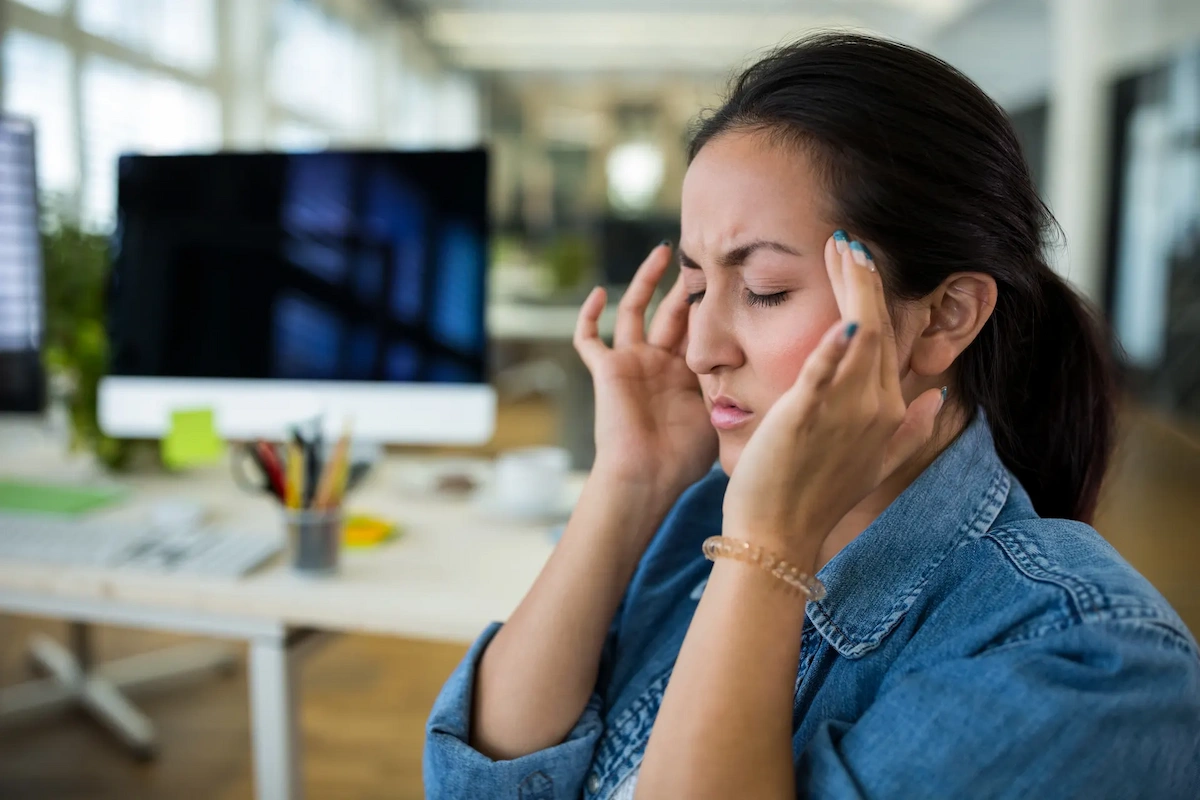
Many chronic headaches in Castle Rock have nothing to do with the head itself – they originate from restricted joints, irritated nerve roots, or muscle tension in the cervical spine, and they refer pain upward into the skull. When that’s the case, pain relievers address the sensation but leave the source completely untouched. Understanding where your headaches are actually coming from is the first step toward doing something about them.
Not All Headaches Are the Same
Headache is a symptom, not a single condition. There are tension headaches, migraines, cluster headaches, sinus headaches, and cervicogenic headaches – and they don’t all respond to the same treatment. The problem is that most people (and honestly, a lot of providers) treat all chronic headaches the same way: medication to reduce the sensation when it flares up.
That approach works fine for occasional headaches from dehydration or a bad night’s sleep. But if you’re dealing with headaches that come back multiple times a week, that tend to start at the base of your skull or behind one eye, or that get worse after long periods at a desk, there’s a good chance the cervical spine is involved. And no amount of ibuprofen changes what’s happening in your neck.
What Cervicogenic Headaches Are
Cervicogenic means “originating from the cervical spine.” The upper cervical joints – particularly C1, C2, and C3 – share nerve pathways with the trigeminal nerve, which is the primary sensory nerve for the face, scalp, and much of the head. When those upper cervical segments are restricted, inflamed, or under chronic mechanical stress, the nervous system can interpret that irritation as head pain.
In other words, the problem is in your neck but you feel it in your head. That’s why patients with cervicogenic headaches and migraines often describe a pattern that starts at the base of the skull and travels forward – sometimes wrapping around to the temples, sometimes sitting behind one eye, sometimes producing sensitivity to light or sound that looks a lot like a migraine.
The distinction matters because the treatment is different. Cervicogenic headaches respond to addressing the cervical joints and associated structures. Treating the head in isolation rarely produces lasting change.
The Neck-Headache Connection Dr. Dickason Sees Regularly
Dr. Dickason completed post-graduate clinical neurology training through the Carrick Institute, which means he has a deeper lens on the neurological overlap between cervical spine function and head pain than most general practitioners. It’s something that comes up in practice regularly.
A patient comes in for neck pain and mentions almost as an aside that they’ve had headaches three times a week for the past two years. Or someone comes in specifically for the headaches and, on examination, has significant upper cervical restriction they hadn’t even noticed because the headaches had become their normal. Both scenarios happen more often than you’d expect.
The upper cervical region is a common place for restriction to quietly accumulate, especially in people who spend long hours at a desk or driving. Castle Rock has a lot of both – remote professionals logging long screen hours, and commuters making the I-25 run to Denver who spend a good chunk of their day with their neck in a fixed position.
Tension Headaches vs. Cervicogenic Headaches: How to Tell the Difference
There’s overlap between tension headaches and cervicogenic headaches, and the distinction isn’t always clean. But a few patterns are worth paying attention to.
Cervicogenic headaches tend to be one-sided, at least in the early stages. They often start at the back of the head or upper neck and move forward. They’re frequently triggered or worsened by specific neck positions or sustained postures, and they may come with reduced range of motion in the cervical spine. Pressing on certain spots in the upper neck or base of the skull may reproduce or worsen the head pain – that’s a meaningful clinical sign.
Tension headaches are usually bilateral, described as a band-like pressure around the head, and tied more clearly to stress or muscle fatigue. They don’t typically follow the same positional pattern as cervicogenic ones.
Migraines add another layer – the pulsating quality, nausea, light and sound sensitivity, and aura that some people experience. But it’s worth knowing that cervical dysfunction can trigger or amplify migraines in people who are already prone to them. Addressing the cervical component doesn’t always eliminate migraines entirely, but it often reduces their frequency and severity.
What an Evaluation Actually Looks Like
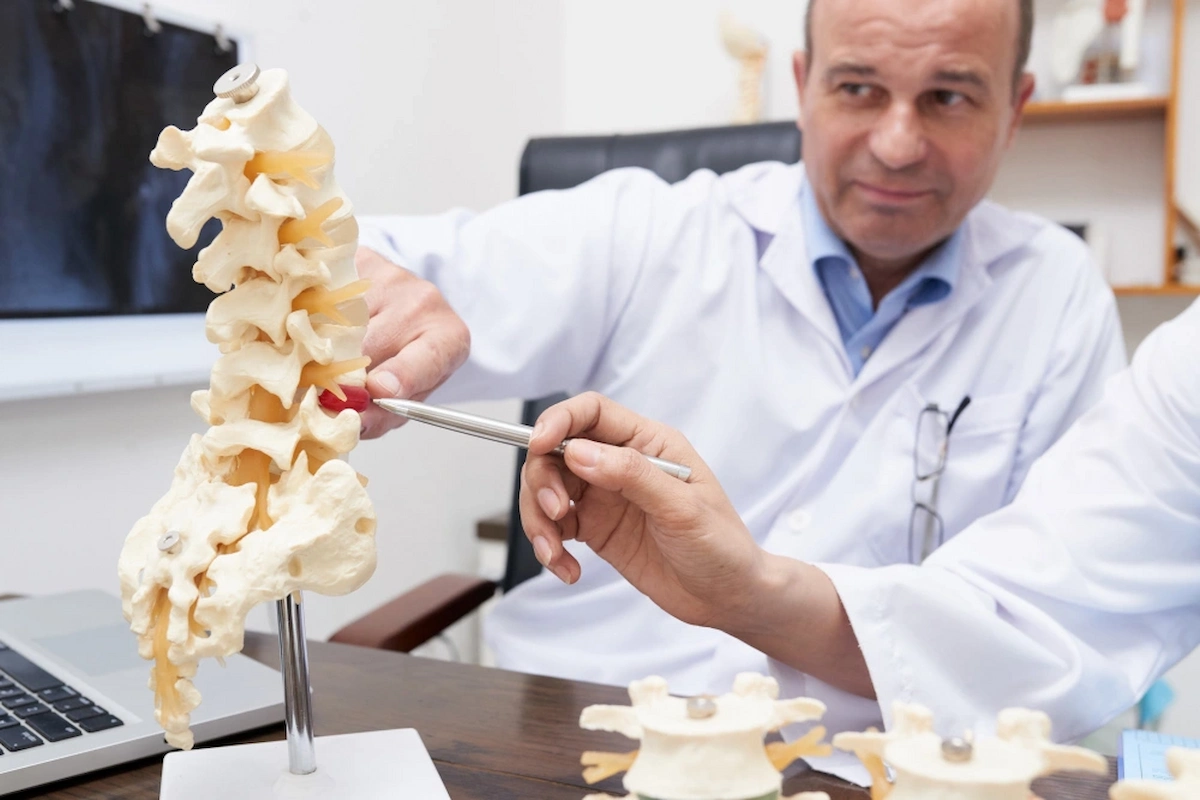
When a patient comes in at Castle Rock Chiropractic describing chronic headaches, the assessment isn’t just focused on the head. Dr. Dickason evaluates cervical range of motion, palpates the upper cervical joints and suboccipital muscles for restriction and tenderness, and performs neurological screening to get a clear picture of what’s contributing.
That process usually tells us quite a bit about whether the cervical spine is a primary driver. If it is, chiropractic care targeting the restricted segments – combined with soft tissue work on the suboccipital muscles and upper trapezius – is often where we start.
Results vary depending on how long the pattern has been established and what’s driving it. Acute cervicogenic headaches in someone who just started a new desk job respond faster than a chronic pattern someone has had for a decade. But even long-standing cases often show meaningful improvement when the cervical joints are properly addressed.
Why Pain Relievers Aren’t the Whole Answer
There’s nothing wrong with using medication to manage a headache when you need to function. That’s a reasonable short-term tool. The issue is when medication becomes the only strategy, because it does nothing to address the restricted joints, tight suboccipital muscles, or postural stress that are feeding the cycle.
There’s also the rebound headache phenomenon to consider. Overuse of pain relievers – particularly those containing caffeine or certain active compounds – can actually cause medication overuse headaches. It becomes a cycle where the relief creates dependence, and the headaches continue or worsen. Getting off that cycle often requires addressing the underlying cause so you don’t need the medication as frequently in the first place.
What Patients Ask Us About Headaches
How many visits does it typically take to see improvement?
For acute cervicogenic headaches, some patients notice a shift within the first few visits. Chronic patterns established over years take longer. We’ll give you an honest sense of what to expect based on your specific presentation after the initial evaluation – not a vague “it depends” answer.
Can chiropractic care help with migraines specifically?
For some migraine patients, yes. Cervical dysfunction is a known trigger, and reducing that irritation can lower the frequency and intensity of episodes for people whose migraines have a clear cervical component. It’s not a cure for all migraines, but it’s worth evaluating whether the cervical spine is contributing.
I’ve had headaches my whole life. Is it worth looking into?
Absolutely. “I’ve always had headaches” is something we hear often, and it’s usually said as a reason not to do anything about it. But lifelong headaches aren’t normal – they’re common. There’s a difference. It’s worth finding out whether there’s a structural contributor that’s been there all along.
A Different Starting Point
If you’ve been managing headaches with medication and not getting ahead of them, it may be worth asking whether the cervical spine is part of what’s keeping them going. That’s a straightforward question we can help answer.
Dr. Dickason has been seeing patients throughout Castle Rock and Douglas County since 2006. If chronic headaches are something you’ve just learned to live with, reach out to Castle Rock Chiropractic at 303-688-2300 or schedule a consultation online. It’s worth knowing what’s actually driving them.

About Dr. Clint Dickason, DC
Dr. Clint Dickason founded Castle Rock Chiropractic to serve his local community with personalized, natural wellness care. An Indiana native and Palmer College of Chiropractic graduate, he brings advanced training in clinical neurology and upper cervical techniques to Colorado families.
With athletic background in wrestling, football, and rugby, Dr. Dickason understands active lifestyle demands. He combines 20+ chiropractic techniques with Blood Flow Restriction therapy certification to address Castle Rock’s unique hiking, work, and family challenges.