Table of Contents
A herniated disc does not have to mean surgery. Spinal decompression therapy at Castle Rock Chiropractic offers a non-surgical, non-injection option that targets the actual source of disc pain and has helped many patients find lasting relief after other treatments stopped working. Dr. Dickason evaluates each case individually to determine whether decompression is the right fit and builds a care plan around your specific disc involvement.
What a Herniated Disc Actually Is
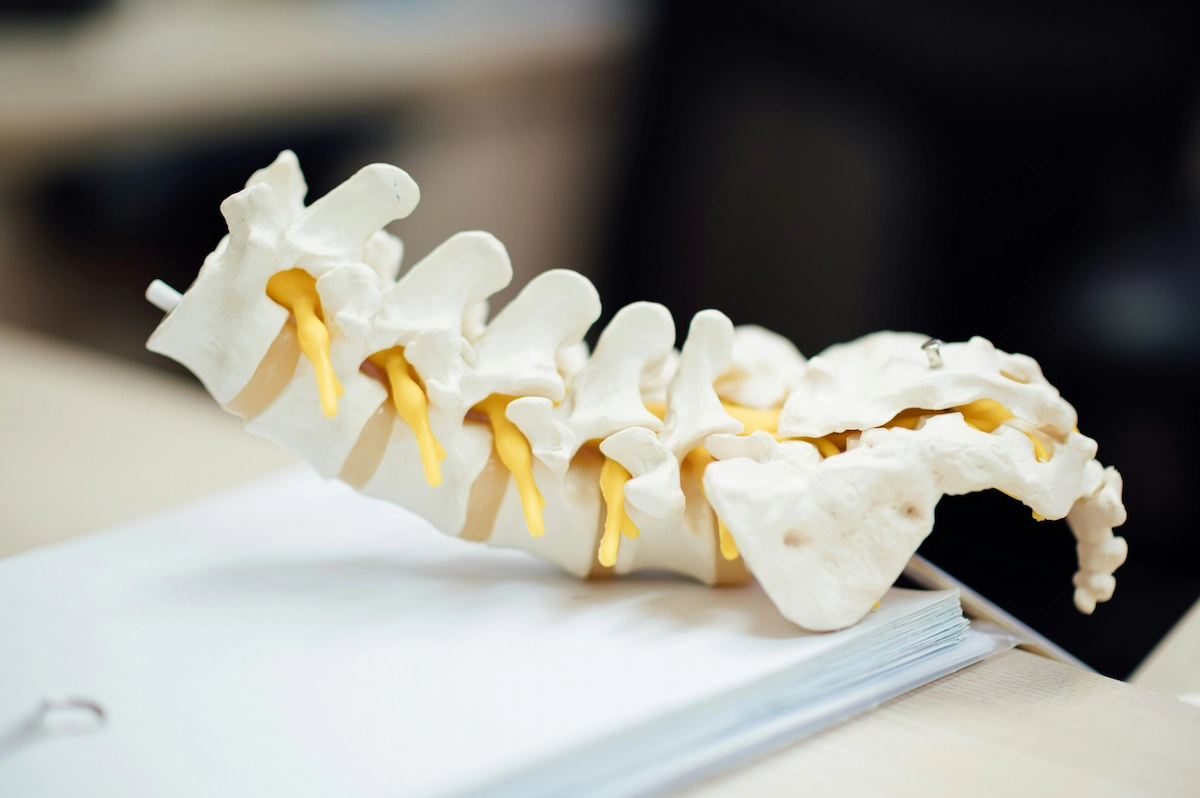
Your spinal discs sit between each vertebra and act as shock absorbers for everything you do. Each disc has a tough outer layer and a softer gel-like center. When the outer layer weakens or tears, that inner material can push outward and press against the nerves exiting your spine. That pressure is what creates the pain, numbness, tingling, and weakness that disc patients deal with every day.
A bulging disc is an earlier stage of the same problem. The outer layer has not torn but the disc is pushing beyond its normal boundary. Both conditions can compress nerves and both respond well to spinal decompression when the right protocol is used.
Why Herniated Disc Pain Is So Hard to Treat
Most people with herniated disc pain have already been through the standard options before they find their way to spinal decompression. Rest helps temporarily but the pain comes back. Physical therapy strengthens the surrounding muscles but does not directly address the disc. Injections reduce inflammation for a period but wear off. Pain medication manages symptoms without touching the underlying problem.
The reason these approaches often fall short is that none of them directly reduce the pressure inside the disc. The compression on the nerve stays in place and the pain cycle continues. Spinal decompression works differently because it targets the disc itself.
How Spinal Decompression Works
Spinal decompression uses a specialized table to create a controlled traction force through the affected area of the spine. That traction reduces the pressure inside the disc, which does two important things. Here at this clinic we use Accu-SPINA® System
First, it takes the load off the compressed nerve root. For many patients this produces noticeable relief in leg or arm symptoms relatively quickly as the pressure on the nerve is reduced. Second, the negative pressure created inside the disc encourages bulging material to retract back toward the center and draws in the fluid and nutrients the disc needs to heal.
The process is gradual. Discs do not heal overnight. But for patients who are good candidates, the results are often meaningful and lasting in a way that other conservative treatments have not been.
Sessions are done lying comfortably on the decompression table. Most last around 20 to 30 minutes. There is no pain during the session. Most patients describe it as a gentle rhythmic pulling that actually feels like relief.
Conditions Spinal Decompression Treats
Spinal decompression is most effective for conditions where disc compression or nerve involvement is the primary driver of pain. At Castle Rock Chiropractic, Dr. Dickason commonly uses decompression for:
- Herniated or bulging discs in the lumbar or cervical spine
- Sciatica caused by disc compression at L4-L5 or L5-S1
- Degenerative disc disease with nerve involvement
- Chronic low back pain that has not responded to other care
- Neck pain with radiating arm symptoms from cervical disc herniation
- Spinal stenosis with leg pain or weakness
Not every case is a good fit for decompression. Dr. Dickason evaluates each patient thoroughly before recommending it and will tell you honestly whether your presentation is likely to respond.
How Castle Rock’s Lifestyle Contributes to Disc Problems
Disc injuries rarely happen in a single moment. Most develop over time from the accumulated stress of daily habits and activity patterns. Castle Rock residents have some specific contributors worth knowing about.
Long commutes on I-25 with prolonged sitting put sustained compressive load on the lumbar discs. Hiking and trail running on the area’s varied terrain creates repeated impact and rotational stress through the spine. Desk work with forward head posture adds cervical disc pressure that builds quietly over months and years.
None of these activities are problems on their own. But combined with a spine that is already dealing with some degree of degeneration or misalignment, they can be what pushes a disc from manageable to symptomatic.
What to Expect at Your First Decompression Evaluation
Your first visit starts with a full review of your history, including when symptoms started, what makes them better or worse, and what treatments you have already tried. Dr. Dickason does a thorough orthopedic and neurological exam to confirm which disc levels are involved and assess how the nerve is responding.
If imaging is available from a previous MRI or X-ray, Dr. Dickason reviews it as part of the evaluation. If imaging has not been done and it would help clarify your case, he will let you know and coordinate accordingly.
From there you will get a clear picture of whether spinal decompression is appropriate for your situation, what a realistic care plan looks like, and what kind of improvement is reasonable to expect based on your specific presentation. No pressure, no guessing, just a straightforward conversation about what your spine actually needs.
Surgery Is Not the Only Option
A lot of patients arrive at Castle Rock Chiropractic after being told surgery is their next step. Some of them have been living with disc pain for years and have run out of ideas. Spinal decompression is not a guarantee and it is not right for every case, but for many patients it is the option that finally addresses the actual problem rather than working around it.
If you have a herniated or bulging disc and have not yet explored spinal decompression, it is worth finding out whether you are a candidate before committing to a surgical path.
Find Out If Spinal Decompression Is Right for You
Dr. Dickason and the team at Castle Rock Chiropractic are here to give you a straight answer about whether decompression makes sense for your situation. No overselling, no one-size-fits-all protocols.
Contact us today to schedule your evaluation and find out whether spinal decompression can help you get your life back.
About Dr. Clint Dickason, DC
Dr. Clint Dickason founded Castle Rock Chiropractic to serve his local community with personalized, natural wellness care. An Indiana native and Palmer College of Chiropractic graduate, he brings advanced training in clinical neurology and upper cervical techniques to Colorado families.
With athletic background in wrestling, football, and rugby, Dr. Dickason understands active lifestyle demands. He combines 20+ chiropractic techniques with Blood Flow Restriction therapy certification to address Castle Rock’s unique hiking, work, and family challenges.